
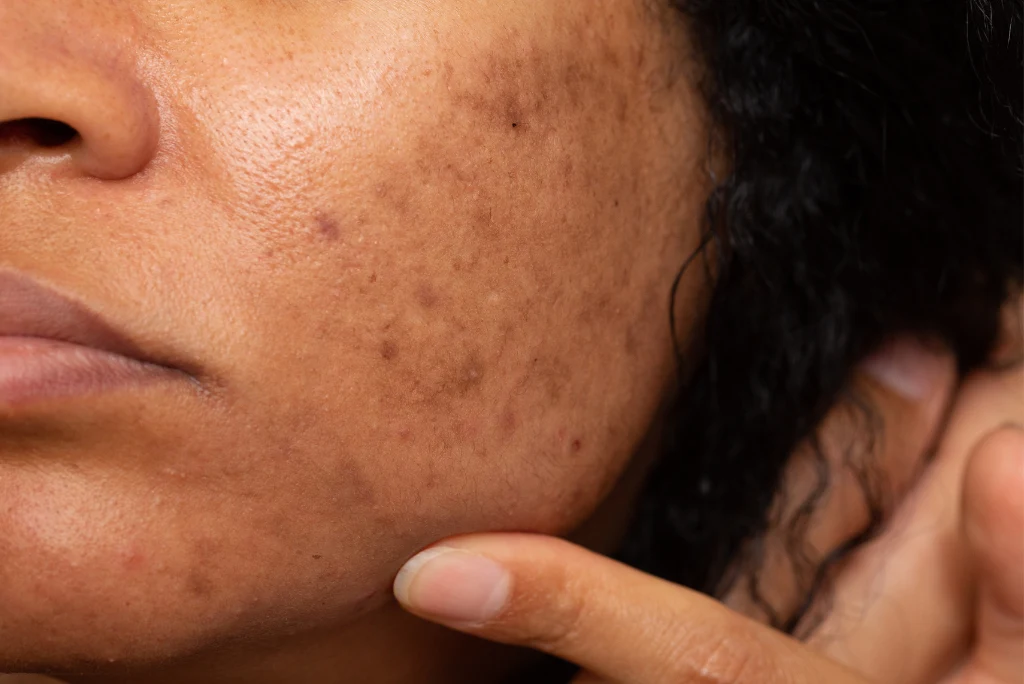
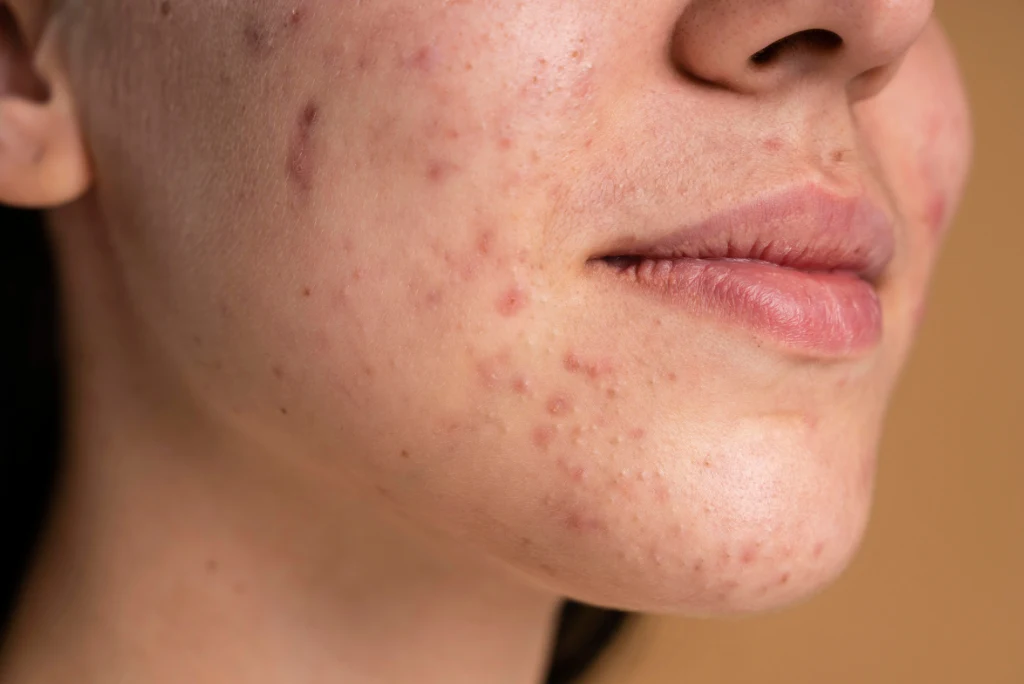
Dark spots are one of the most searched skin concerns in Pakistan, and for good reason. Whether it is post-acne marks, sun damage, or stubborn patches that refuse to fade, uneven skin tone affects millions of Pakistani women and men every single day. The frustration is real, and so is the damage caused by the wrong solutions.
Walk into any pharmacy in Islamabad and you will find shelves full of fairness creams promising overnight results. Most of them do not work. Some actively make pigmentation worse. What actually clears dark spots is not a miracle cream. It is the right dermatologist-guided treatment plan built around your specific skin type and concern.
At Le Lotus Clinique, our certified skin specialists assess every patient individually and recommend treatments that are medically proven, safe for Pakistani skin tones, and built for long-term results. This guide shares exactly what dermatologists recommend and why it works.
Not All Dark Spots Are the Same: Know What You Are Dealing With
Before any treatment can work, you need to understand what type of dark spots you are dealing with. Each type has a different cause and responds differently to treatment.
Type | Appearance | Main Cause |
Melasma | Brown or gray patches on face | Hormones and sun exposure |
Post-Acne Marks | Dark marks after pimples heal | Inflammation and picking |
Sunspots | Flat brown spots on face and hands | UV damage over time |
Freckles | Small scattered brown spots | Genetics and sun exposure |
Age Spots | Larger flat dark patches | Aging and prolonged sun damage |
Post-Inflammatory | Dark marks after skin injury | Trauma or harsh skincare products |
Identifying the correct type is the first step a dermatologist takes before recommending any treatment. Using the wrong treatment for the wrong type of dark spot is one of the most common reasons people see little to no improvement.
What Is Actually Causing Dark Spots on Pakistani Skin?
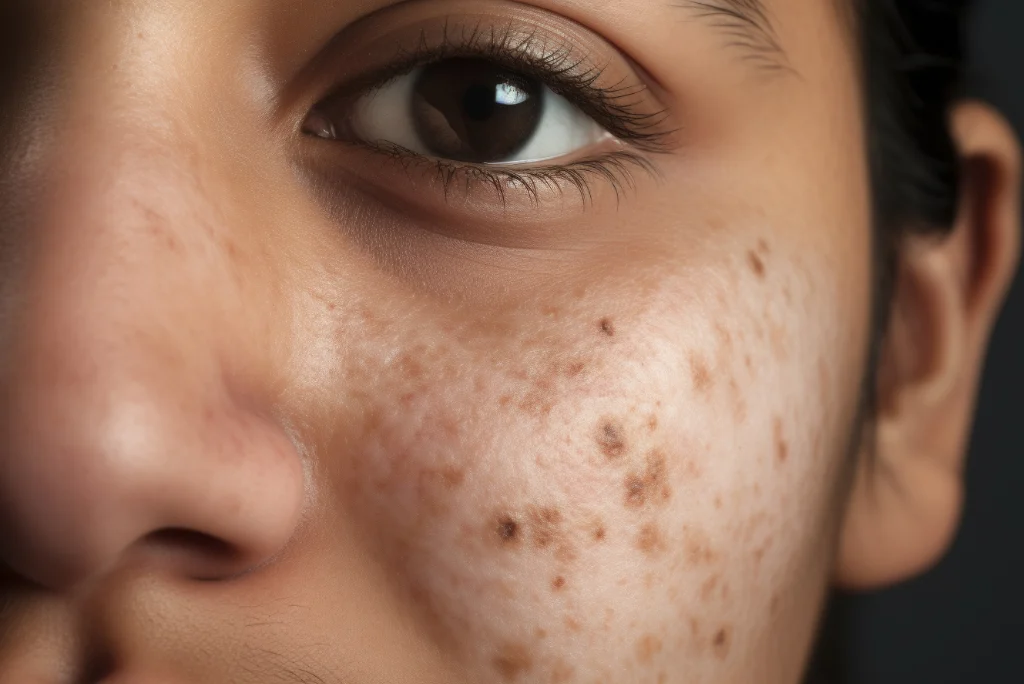
Dark spots do not appear randomly. There is always a trigger, and in Pakistan several factors make pigmentation particularly common and persistent.
- Sun Exposure and UV DamagePakistan receives intense UV radiation throughout most of the year. Unprotected sun exposure is the single biggest trigger for dark spots,sunspots, and worsening melasma. Even short daily exposure without SPF adds significantly over time.
- Post-Acne HyperpigmentationAfter a pimple heals, the inflammation it leaves behind triggers excess melanin production, leaving a dark mark.Picking or squeezing acne makes this significantly worse and extends healing time by week.
- Hormonal Changes and PregnancyHormonal fluctuations during pregnancy, while taking birth control pills, or during menopause directly stimulate melanocytes to overproduce pigment. This is why melasma is so widespread among Pakistani women of reproductive age.
- Harsh Fairness Creams and SteroidsThis is a Pakistan-specific problem that dermatologistsfrequently flag. Many over-the-counter fairness creams contain undisclosed steroids or high-strength bleaching agents that provide temporary lightening but cause rebound pigmentation and long-term skin damage when stopped.
- Pollution and Environmental TriggersAir pollution in cities like Islamabad, Lahore, and Karachi generates free radicals that damage skin cells and accelerate melanin overproduction. Combined with sun exposure, pollution significantly speeds up the development of uneven skintone.
What Dermatologists in Pakistan Actually Recommend for Dark Spots
This is the core of what genuinely works. Dermatologists do not recommend a single product or treatment in isolation. The most effective approach combines the right in-clinic technology with a personalized homecare plan.
1. Pico Laser Treatment
Pico laser is currently the gold standard for dark spot treatment recommended by dermatologists across Pakistan. It delivers ultra-short energy pulses that shatter melanin particles deep in the skin without damaging the surrounding tissue. It works on multiple types of pigmentation including melasma, post-acne marks, and sun damage with zero downtime.
2. Q-Switch Laser
Q-Switch laser is highly effective for sun spots, freckles, and deeper pigmentation that sits below the surface. It targets excess melanin precisely and breaks it down for the body to naturally eliminate over time.
3. Chemical Peels
Chemical peels for pigmentation use medical-grade acids including glycolic, salicylic, and TCA to exfoliate the top pigmented layers of skin. They are particularly effective for surface-level dark spots and post-acne marks when performed by a trained specialist.
4. Carbon Laser Peel
Carbon laser peel is ideal for patients with oily skin, large pores, and dull uneven tone alongside dark spots. The carbon mask absorbs impurities while the laser energy removes the top pigmented layer, delivering an immediate brightening effect.
5. Glutathione IV Drip
Glutathione IV drip works systemically to reduce melanin production from within. It is recommended as a complementary treatment alongside laser or peel sessions for patients seeking overall skin brightening and a more even complexion across the body.
6. Combination Therapy
For stubborn or deep pigmentation, dermatologists consistently recommend combining two or more treatments. A typical protocol at Le Lotus Clinique pairs Pico laser sessions with medical-grade homecare containing vitamin C, tranexamic acid, and niacinamide for faster, more lasting results.
Treatment | Best For | Sessions | Downtime |
Pico Laser | Deep pigmentation | 3 to 5 | Zero |
Q-Switch Laser | Sun spots and freckles | 4 to 6 | Minimal |
Chemical Peel | Surface dark spots | 4 to 6 | 3 to 5 days |
Carbon Laser Peel | Dull oily skin | 4 to 6 | Zero |
Glutathione IV Drip | Overall brightening | 6 to 8 | Zero |
Combination Therapy | Stubborn pigmentation | 6 to 10 | Varies |
How Many Sessions Will You Actually Need?
Many patients spend months using over-the-counter serums and creams before finally visiting a dermatologist. Here is the truth about how the two compare:
|
Factor |
At-Home Products |
Clinic Treatments |
|
Depth of Action |
Surface only |
Deep skin layers |
|
Speed of Results |
Months to years |
Weeks to months |
|
Ingredients |
OTC strength |
Medical grade |
|
Supervision |
None |
Certified specialist |
|
Long-Term Result |
Maintenance only |
Lasting correction |
At-home products containing vitamin C, niacinamide, and tranexamic acid are genuinely useful for maintaining results and preventing new spots from forming. However, they do not have the concentration or delivery mechanism needed to correct established deep pigmentation. That is where clinic treatments take over.
Dark Spots Treatment Cost in Pakistan: What to Expect in 2026
|
Treatment |
Cost Per Session (PKR) |
Sessions Needed |
|
Pico Laser |
15,000 to 30,000 |
3 to 5 |
|
Q-Switch Laser |
10,000 to 20,000 |
4 to 6 |
|
Chemical Peel |
8,000 to 15,000 |
4 to 6 |
|
Carbon Laser Peel |
8,000 to 15,000 |
4 to 6 |
|
Glutathione IV Drip |
5,000 to 12,000 |
6 to 8 |
|
Combination Package |
25,000 to 50,000 |
6 to 10 |
Always ask for a complete written breakdown of what is included in your treatment package before committing. A reputable clinic will be fully transparent about costs from the very first consultation.
How to Stop Dark Spots From Coming Back After Treatment
Treatment results only last when the right daily habits are in place:
- Apply SPF 50 broad-spectrum sunscreen every morning without exception
- Never pick at pimples or skin injuries
- Stop using steroid-based or unverified fairness creams immediately
- Add vitamin C and niacinamide to your morning skincare routine
- Book maintenance sessions every three to six months
- Wear a hat or dupatta when in direct sunlight for extended periods
Explore our skin brightening treatment at Le Lotus Clinique for a medically guided maintenance plan built around your skin.
Why Le Lotus Clinique Is Islamabad's Most Trusted Clinic for Dark Spot Treatment
Treating dark spots on Pakistani skin requires more than a standard protocol. It requires a specialist who understands how deeper skin tones respond to laser energy, how hormonal pigmentation behaves differently from sun damage, and how to build a treatment plan that delivers results without causing harm.
Here is why Le Lotus Clinique is the trusted choice across Islamabad:
- Brand of the Year 2024 to 2025 and Presidential Award 2024 winner
- FDA-approved Pico and Q-Switch laser technology
- Certified dermatologists and skin specialists on the medical board
- Fully customized treatment plans for Pakistani skin tones
- Complete aftercare and homecare guidance after every session
- Clinics at F8-1 Islamabad and DHA Phase 2 Islamabad
- 4.9 Google rating from thousands of verified patients
Browse our complete range of facial treatments at Le Lotus and find the right solution for your skin concern.
Book Your Dark Spot Treatment Consultation at Le Lotus Clinique Today
Clear, even-toned skin is not out of reach. With the right dermatologist-recommended treatment plan and a clinic that genuinely understands Pakistani skin, lasting results are absolutely achievable. Le Lotus Clinique is ready to assess your skin, identify the right treatment combination, and guide you every step of the way.
Book a free consultation today and take the first real step toward the clear skin you deserve.
Frequently Asked Questions
What is the fastest way to remove dark spots in Pakistan?
Is laser treatment safe for dark skin tones in Pakistan?
How many sessions does it take to remove dark spots permanently?
Can dark spots come back after treatment in Pakistan?
Someone comes in having read that microneedling fixes acne scars. They’ve seen the before-and-afters. Then they get quoted two very different prices for two things
A woman came in last month with a shopping bag. Inside it were seven bottles: two biotin brands, a multivitamin, collagen powder, an imported hair
There is a bottle of sunscreen in your bathroom drawer right now. You bought it after someone told you to. You wore it for about