
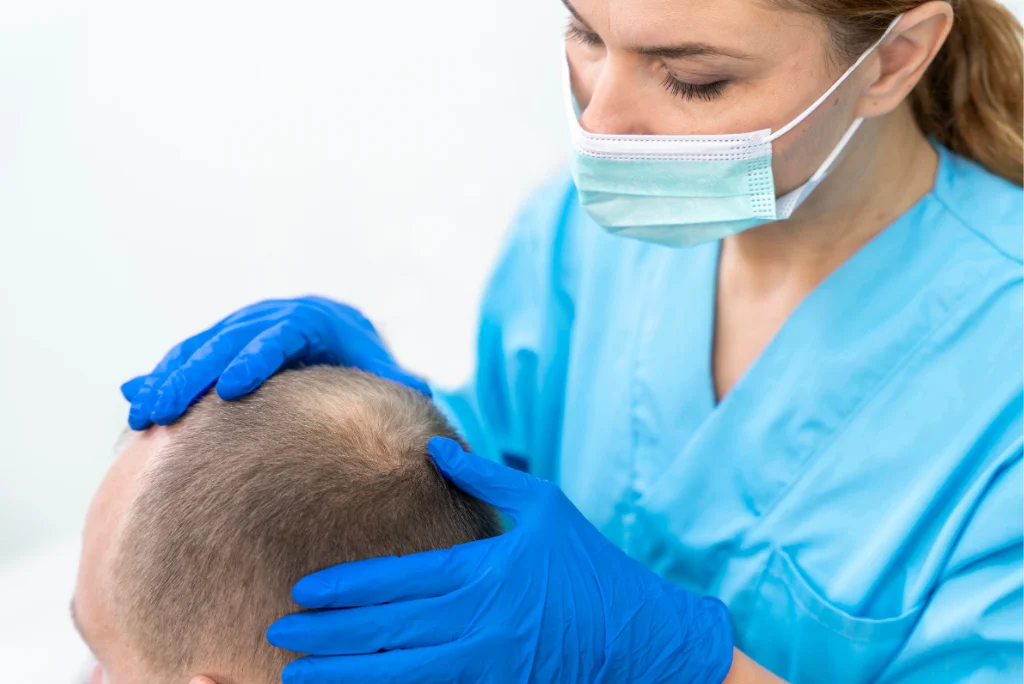
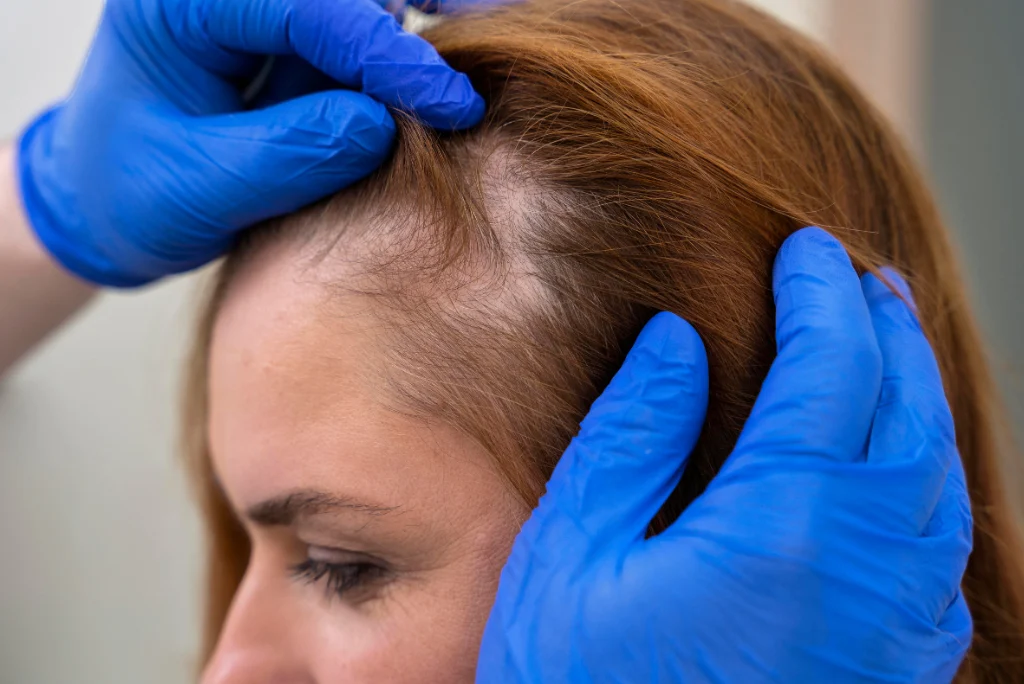
Hair loss is something most people brush off as a temporary problem. However, when patches start appearing on your scalp, your hairline keeps receding, or your hair simply stops growing back; it is no longer something you can ignore. This is alopecia, and it affects thousands of men, women, and children across Pakistan every single year.
Unlike regular hair shedding, alopecia is a medical condition that requires proper diagnosis and a structured treatment plan. Unfortunately, most patients in Pakistan spend months trying home remedies and over-the-counter products before finally seeking professional help. By that point, the condition has often progressed further than it needed to.
The good news is that alopecia is manageable. Furthermore, when treated early with the right approach, significant hair regrowth is absolutely achievable. If you are already noticing unusual hair loss and want expert guidance, you can book a free consultation at our clinic and speak directly with a certified hair restoration specialist today.
This guide covers everything you need to know about alopecia treatment in Pakistan, from understanding what type you have to which treatments deliver results.
What Exactly Is Alopecia and Why Is It Different From Regular Hair Fall?
Waxing and threading have been the default hair removal methods for women across Pakistan for generations. They are familiar, widely available, and relatively affordable per session. But when you add up the cost of going every three to four weeks across a year, and factor in the time, the discomfort, and the skin damage that builds over time, the picture looks very different.
For many patients in Islamabad, the decision to switch to laser hair removal comes down to three things. They are tired of the cycle; they want a solution that lasts, and they have finally found a clinic they trust to do it safely. Permanent hair removal in Islamabad is no longer something reserved for a small group of patients. With advanced technology now available across multiple clinics in the city, it has become one of the most requested treatments at Le Lotus Clinique, sought by both women and men across all age groups.
The shift is also being driven by improvements in the technology itself. Painless laser hair removal in Islamabad was not always possible. Earlier laser systems were uncomfortable and not suitable for darker skin tones common across Pakistan. Today, that has changed completely, which we will cover in detail in the safety section below.
How Is Alopecia Different from Regular Hair Fall?
Many patients in Islamabad visit our clinic confused about whether they have alopecia or simply excessive hair fall. Therefore, here is a simple way to understand the difference:
Factor | Regular Hair Fall | Alopecia |
Daily Hair Loss | 50 to 100 strands | Significantly more |
Pattern | Uniform shedding | Patchy or concentrated |
Regrowth | Grows back naturally | May not grow back without treatment |
Cause | Seasonal, dietary, stress | Medical, autoimmune, genetic |
Duration | Temporary | Can be ongoing without treatment |
Treatment Needed | Lifestyle changes | Medical intervention required |
Understanding the Different Types of Alopecia in Pakistan
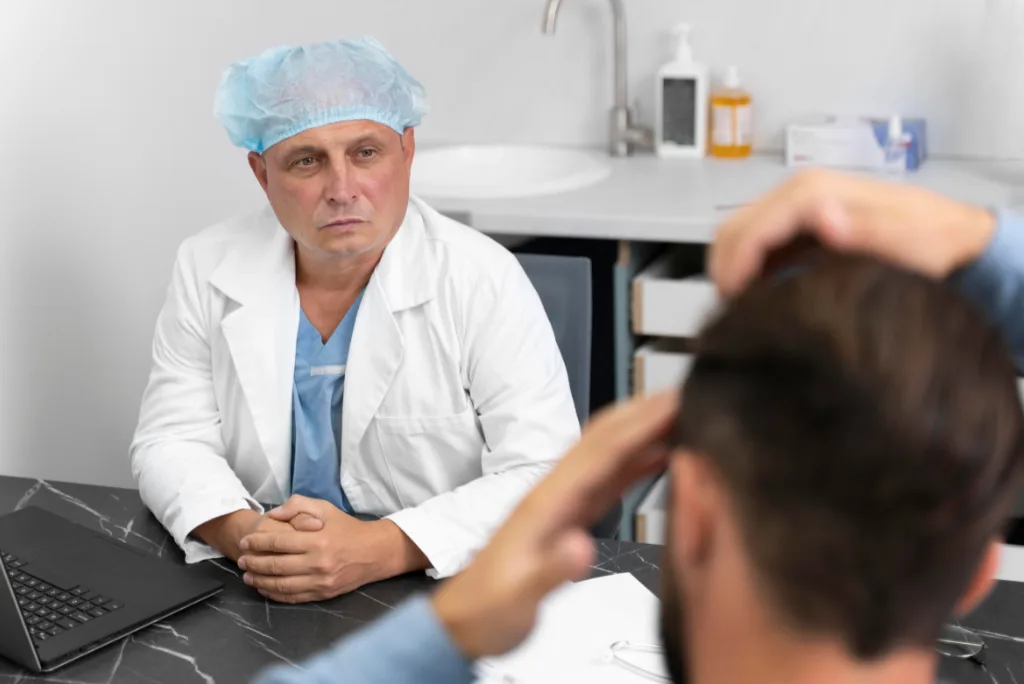
One of the most important things a dermatologist does before recommending any alopecia treatment in Pakistan is to identify the exact type of alopecia a patient has. This matters enormously because different types respond to completely different treatments. Using the wrong approach for the wrong type is one of the most common reasons patients see little to no improvement.
There are several types of alopecia, and each one has a distinct appearance, cause, and treatment pathway. Moreover, some types are more common in Pakistan than others due to specific lifestyle, hormonal, and genetic factors prevalent in the region.
Type | What It Looks Like | Common In Pakistan |
Androgenetic Alopecia | Gradual thinning at crown and temples | Very common in men and women |
Alopecia Areata | Patchy coin-sized bald spots on the scalp | Common, autoimmune-triggered |
Traction Alopecia | Hairline recession and thinning | Common in women due to tight hairstyles |
Telogen Effluvium | Sudden diffuse shedding across scalp | Common post-pregnancy and stress |
Alopecia Totalis | Complete scalp hair loss | Less common but severe |
Alopecia Universalis | Total body hair loss, including eyebrows | Rare, most severe form |
Most Common Types of Alopecia in Pakistan
Androgenetic alopecia is by far the most widespread type among Pakistani patients. It affects both men and women, causing gradual thinning at the crown and temples over time. Additionally, genetics play a significant role, meaning it often runs in families across generations.
Telogen effluvium is increasingly common in Pakistan, particularly among women following pregnancy, prolonged illness, or periods of intense emotional stress. Furthermore, post-COVID hair loss has added significantly to the number of telogen effluvium cases seen at clinics across Islamabad.
Traction alopecia is a growing concern among Pakistani women who regularly wear tight braids, buns, or hairstyles that place consistent tension on the hairline. Consequently, repeated pulling gradually damages hair follicles along the temples and frontal hairline, leading to permanent loss if not addressed early.
What Actually Causes Alopecia in Pakistani Patients?
Understanding the root cause of your alopecia is just as important as choosing the right treatment. In fact, two patients with identical-looking hair loss can have completely different underlying causes requiring entirely different approaches. Therefore, a proper diagnosis from a certified specialist is always the essential first step before any treatment begins.
Several factors contribute to alopecia in Pakistan, and many of them are particularly common due to local lifestyle, dietary habits, and environmental conditions.
1. Genetic and Hereditary Factors
Genetics remain the single most common cause of androgenetic alopecia in Pakistan. If your father, mother, or close relatives experienced significant hair loss, your likelihood of developing it increases considerably. Unfortunately, genetic alopecia tends to begin gradually and worsen progressively without proper medical intervention.
2. Autoimmune Triggers
Genetics remain the single most common cause of androgenetic alopecia in Pakistan. If your father, mother, or close relatives experienced significant hair loss, your likelihood of developing it increases considerably. Unfortunately, genetic alopecia tends to begin gradually and worsen progressively without proper medical intervention.
3. Hormonal Changes and Pregnancy
Hormonal fluctuations are among the most common alopecia triggers for Pakistani women. Additionally, pregnancy, childbirth, thyroid disorders, and polycystic ovary syndrome all directly affect the hair growth cycle. Many women experience significant shedding within three to six months after delivery as hormone levels rapidly shift.
4. Nutritional Deficiencies
Iron deficiency, low vitamin D levels, and inadequate protein intake are widespread in Pakistan and directly contribute to hair thinning and shedding. Furthermore, crash dieting and restrictive eating habits increasingly seen among younger Pakistani women accelerate hair loss significantly over time.
5. Stress and Lifestyle Factors
Chronic stress triggers a condition called telogen effluvium, pushing large numbers of hair follicles into a resting phase simultaneously. Consequently, patients notice sudden and diffuse shedding across the entire scalp rather than concentrated patches. Poor sleep, overworking, and emotional trauma are all common stress-related triggers in Pakistan.
6. Tight Hairstyles and Traction
Consistently wearing tight braids, ponytails, extensions, or buns places constant mechanical tension on the hairline. Over time, this tension damages and destroys hair follicles permanently along the temples and frontal hairline. As a result, traction alopecia is now one of the most commonly seen types at hair clinics across Islamabad.
Best Alopecia Treatments Available in Pakistan Right Now
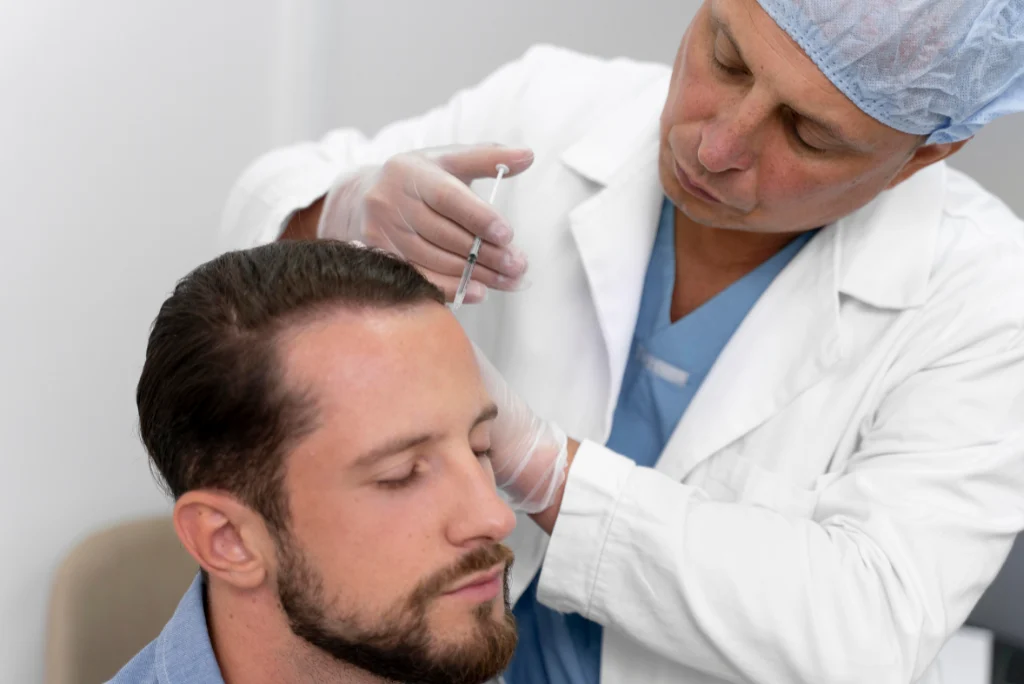
There is no single treatment that works for every type of alopecia. However, the good news is that Pakistan now has access to several highly effective, medically proven treatment options that deliver real and lasting results. The key is matching the right treatment to the right type of alopecia at the right stage of hair loss.
Here is a breakdown of the best treatments currently available:
1. PRP Therapy for Alopecia
PRP for hair loss is one of the most widely recommended treatments for alopecia in Pakistan. It uses your own blood, processed to concentrate growth factors, which are then injected directly into the scalp. Consequently, these growth factors stimulate dormant hair follicles, improve blood supply, and encourage new hair growth naturally.
PRP is particularly effective for androgenetic alopecia and early-stage alopecia areata. Additionally, it works well as a complementary treatment alongside other therapies for faster and more consistent results.
2. Exosome Therapy
Exosome therapy for hair is one of the most advanced regenerative treatments now available in Pakistan. Exosomes are tiny cellular messengers that carry growth signals deep into the scalp, triggering repair and regeneration at a cellular level. Furthermore, results from exosome therapy are often more pronounced and longer lasting than PRP alone, making it an excellent choice for patients who have not responded well to other treatments.
3. Mesotherapy for Hair
Mesotherapy involves injecting a customized cocktail of vitamins, minerals, and growth factors directly into the scalp. Moreover, this treatment nourishes weakened hair follicles, improves scalp circulation, and significantly reduces hair shedding. It is particularly effective for telogen effluvium and diffuse hair thinning commonly seen in Pakistani women.
4. Low Level Laser Therapy
Low level laser therapy uses specific wavelengths of light energy to stimulate hair follicles and improve scalp health. Additionally, it is a completely painless, non-invasive option that works well for mild alopecia and as a maintenance treatment between sessions. Many patients use it alongside PRP or exosome therapy for enhanced results.
5. Topical and Oral Medications
Medical-grade topical treatments such as minoxidil and prescription oral medications remain important tools in managing alopecia at all stages. However, medications work best when combined with in-clinic treatments rather than used in isolation. A certified specialist will recommend the right formulation and dosage based on your specific type and severity of hair loss.
6. Hair Transplant for Stable Alopecia
For patients with stable androgenetic alopecia who have not responded sufficiently to non-surgical treatments, hair transplant and restoration offers a permanent solution. It is important to note that hair transplant is only recommended for stable alopecia where active hair loss has stopped. Therefore, it is not suitable for active alopecia areata or telogen effluvium.
How Long Does Alopecia Treatment Take in Pakistan?
Patience is essential when treating alopecia. Most patients want immediate results, but hair regrowth is a gradual biological process that takes consistent time and effort. However, with the right treatment plan, visible improvement is absolutely achievable within a realistic timeframe.
Timeframe | What You Can Expect |
After Session 1 to 2 | Reduced shedding noticed |
After Session 3 to 4 | New hair growth begins visibly |
After Session 5 to 6 | Noticeable density improvement |
After Full Course | Significant regrowth achieved |
Maintenance Sessions | Every 3 to 6 months recommended |
Results vary depending on the type and severity of alopecia, age of the patient, and consistency of treatment. Furthermore, patients who combine in-clinic sessions with a proper homecare routine consistently see faster and more lasting improvement overall.
Alopecia Treatment Cost in Pakistan: What to Expect in 2026
Cost is an important consideration for most patients. Additionally, understanding what drives pricing helps you make a smarter and more informed decision before committing to a treatment plan.
Treatment | Cost Per Session (PKR) | Sessions Needed |
PRP Therapy | 15,000 to 30,000 | 4 to 6 |
Exosome Therapy | 25,000 to 50,000 | 3 to 4 |
Mesotherapy | 8,000 to 15,000 | 6 to 8 |
Low Level Laser | 5,000 to 10,000 | 8 to 12 |
Hair Transplant | 80,000 to 400,000 | 1 session |
Always ask for a complete written cost breakdown during your consultation. Moreover, a reputable clinic will never surprise you with hidden charges after your treatment has already begun.
Book Your Alopecia Consultation at Le Lotus Clinique Today
Alopecia is a medical condition that deserves proper medical attention, not guesswork or home remedies. The earlier you seek treatment, the better your results will be. Our certified hair restoration specialists are ready to assess your type of alopecia, explain your best treatment options honestly, and build a personalized plan tailored to your goals.
Book a free consultation today and take the first real step toward the healthier, fuller hair that you deserve.
Frequently Asked Questions
Is alopecia permanently curable in Pakistan?
Which treatment is best for alopecia areata in Pakistan?
How much does alopecia treatment cost in Pakistan?
Can women get alopecia treatment in Pakistan?
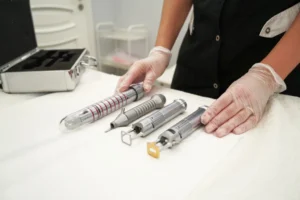
Someone comes in having read that microneedling fixes acne scars. They’ve seen the before-and-afters. Then they get quoted two very different prices for two things
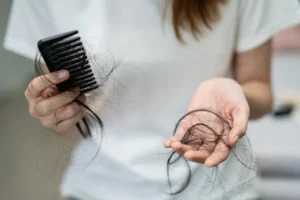
A woman came in last month with a shopping bag. Inside it were seven bottles: two biotin brands, a multivitamin, collagen powder, an imported hair
There is a bottle of sunscreen in your bathroom drawer right now. You bought it after someone told you to. You wore it for about