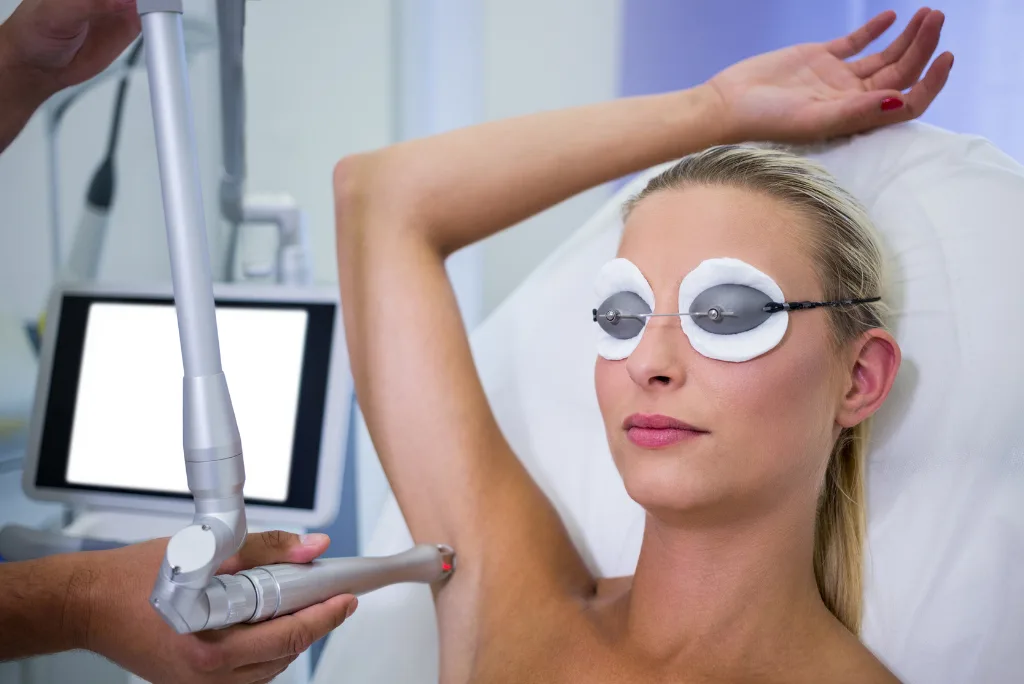
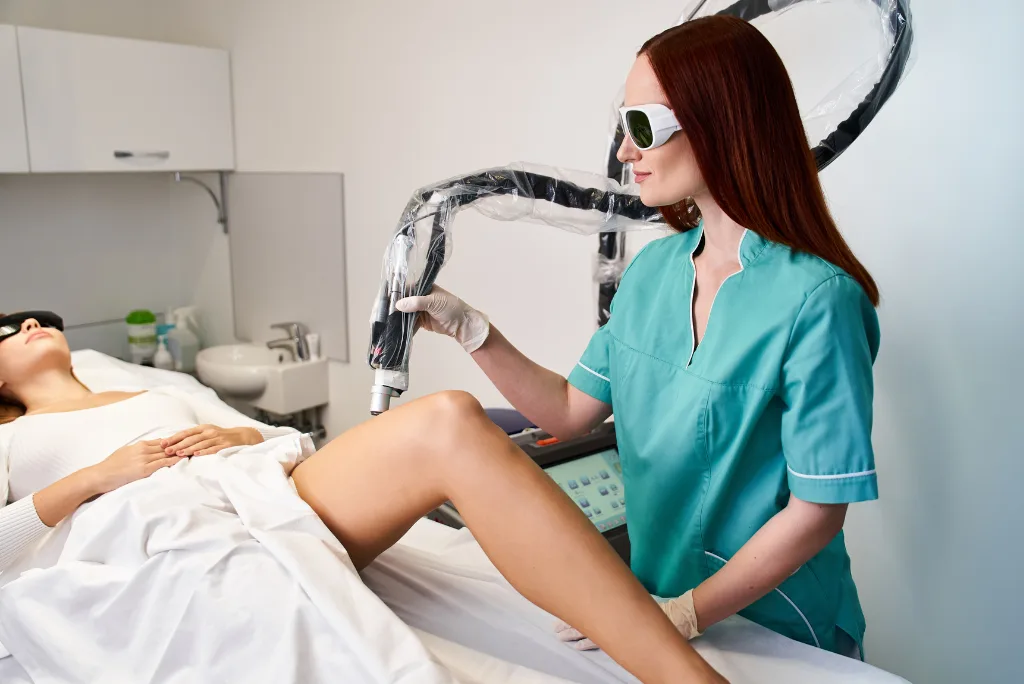
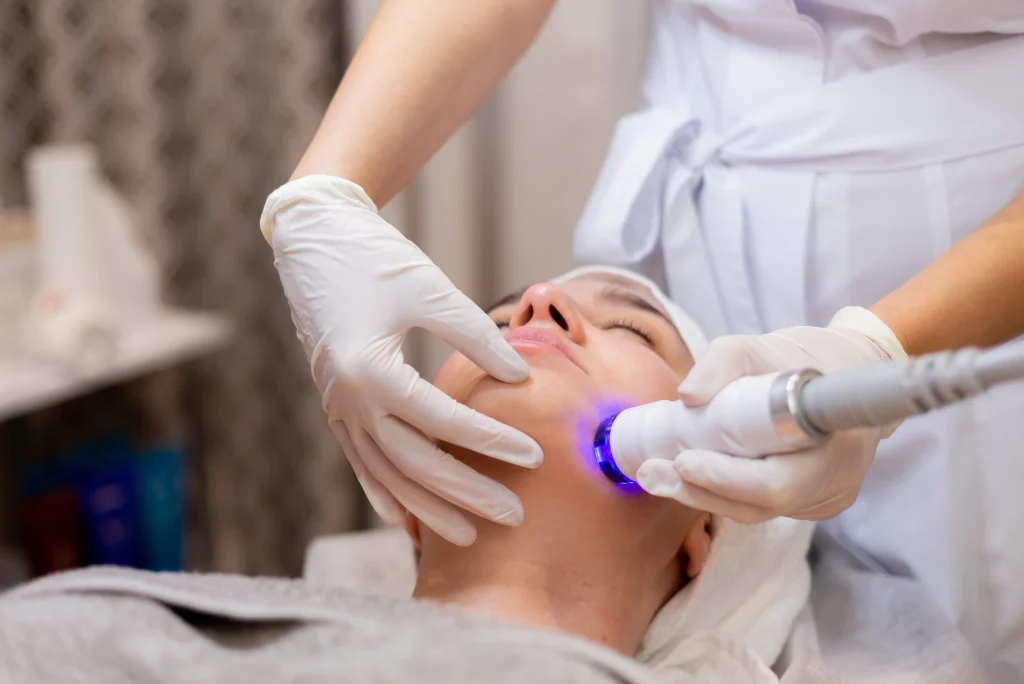
Dark areas on the skin are one of the most common concerns we see at Le Lotus Clinique across all six branches in Pakistan. Patients come in frustrated, not because the problem is new, but because they have already tried everything. Whitening creams, home remedies, scrubs, and salon treatments have either delivered no results or made things temporarily better before the darkness returned.
This guide answers the questions our patients ask most frequently at our Islamabad, Lahore, and Karachi clinics:
- Which body zones can laser actually treat effectively?
- How much does laser for dark areas cost in Pakistan in 2026?
- Which laser technology is right for your specific dark area?
- How many sessions will you realistically need?
- Is laser safe for medium to dark Pakistani skin tones?
Why Pakistani Skin Gets Dark Areas — And Why They Are So Hard to Treat
Understanding why dark areas develop on Pakistani skin is the first step towards treating them effectively. Pakistani skin typically falls within Fitzpatrick types III to V, medium to dark complexions with higher melanin concentrations than lighter skin tones. This higher melanin level means the skin reacts more aggressively to triggers, producing excess pigment in response to friction, heat, inflammation, and hormonal changes.
The most common causes of dark areas we see at our clinics:
- Repeated waxing and threading: Years of waxing underarms, legs, and facial areas cause chronic low-grade inflammation. Every waxing session triggers a mild inflammatory response that stimulates melanin production in the treated area. Over time, this cumulative effect creates persistent darkening that no cream can reverse
- Friction from clothing and movement: Dark knees, knuckles, inner thighs, and neck creases develop primarily from repeated friction against skin. Pakistani clothing styles including shalwar kameez collars and tight dupattas frequently contribute to neck darkening
- Sun exposure without protection: Islamabad’s high altitude UV intensity and Karachi’s year-round sun exposure accelerate melanin production in exposed areas without daily SPF protection
- Hormonal changes and PCOS: One of the most frequent causes of dark underarms, neck, and inner thighs in Pakistani women is insulin resistance associated with PCOS. This triggers a condition called acanthosis nigricans, velvety dark patches that develop in skin folds and creases
- Post-inflammatory hyperpigmentation: Any skin injury, including acne, ingrown hairs from shaving, or reactions to harsh products, leaves behind dark marks on Pakistani skin tones far more readily than on lighter complexions
Why Creams Rarely Fix the Problem Permanently
Most whitening creams work only on the surface layer of skin. When the underlying cause- friction, hormones, inflammation- continues, the pigment returns regardless of how consistently the cream is applied. Laser treatments work at a deeper cellular level, targeting the melanin-producing cells responsible for the darkening rather than just bleaching the surface temporarily.
Which Laser Works for Which Dark Area — A Body Zone Breakdown
Not all dark areas are the same and not all lasers treat them equally. The right laser depends on the depth of pigmentation, the body zone being treated, and your specific skin tone. Here is how our dermatologists at Le Lotus Clinique approach each zone:
Body Zone | Recommended Laser | Sessions | Why This Laser |
Dark Underarms | Pico Laser or Q-Switch Nd: YAG | 4 to 6 | Targets surface and mid-depth melanin safely on sensitive skin |
Dark Neck | Pico Laser | 4 to 8 | Precise pigment targeting with minimal heat — reduces rebound risk |
Dark Knees | Q-Switch Nd: YAG | 4 to 6 | Penetrates deeper pigment layers common in friction-based darkening |
Dark Knuckles | Pico Laser | 3 to 5 | Ultra-short pulses break down stubborn knuckle pigmentation precisely |
Dark Lips | Pico Laser | 4 to 6 | Gentle on delicate lip tissue while targeting melanin effectively |
Dark Inner Thighs | Q-Switch Nd: YAG | 5 to 8 | Handles larger treatment areas and deeper friction pigmentation |
Dark Face and Spots | Pico Laser | 3 to 6 | Gold standard for facial pigmentation on Pakistani skin tones |
Pico Laser — When We Use It
The Pico laser delivers ultra-short laser pulses measured in picoseconds, trillionths of a second. This speed means it shatters pigment particles without generating significant heat in the surrounding skin tissue. For Pakistani skin tones where heat-induced rebound hyperpigmentation is a genuine risk, the Pico laser is consistently our first-line recommendation for facial dark areas, dark lips, and dark knuckles.
Q-Switch Nd:YAG — When We Use It
The Q-Switch Nd:YAG laser operates at a wavelength of 1064nm, which penetrates deeper into the skin than most surface lasers. This makes it particularly effective for friction-based darkening on knees, inner thighs, and underarms where the pigmentation sits in deeper skin layers. It is also safe for darker Pakistani skin tones when used at the correct settings by a trained practitioner.
What About Combining Both?
For patients with multiple dark areas or where pigmentation is both surface and deep level, our dermatologists at Le Lotus Clinique Islamabad and Lahore often recommend a combination protocol: Pico laser for surface pigmentation, followed by Q-Switch for deeper layers. This combination approach delivers faster, more comprehensive results than either treatment alone.
Laser for Dark Areas Cost in Pakistan — Honest 2026 Breakdown
Pricing for laser dark area treatment in Pakistan varies significantly across clinics. The figures below are indicative market ranges based on 2026 pricing across certified clinics in Islamabad, Lahore, and Karachi.
Cost by Body Zone:
Body Zone | Cost Per Session (PKR) | Sessions Needed | Estimated Total (PKR) |
Dark Underarms | 8,000 to 18,000 | 4 to 6 | 32,000 to 108,000 |
Dark Neck | 8,000 to 20,000 | 4 to 8 | 32,000 to 160,000 |
Dark Knees | 6,000 to 15,000 | 4 to 6 | 24,000 to 90,000 |
Dark Knuckles | 5,000 to 12,000 | 3 to 5 | 15,000 to 60,000 |
Dark Lips | 6,000 to 15,000 | 4 to 6 | 24,000 to 90,000 |
Dark Inner Thighs | 10,000 to 25,000 | 5 to 8 | 50,000 to 200,000 |
Dark Face and Spots | 8,000 to 20,000 | 3 to 6 | 24,000 to 120,000 |
Cost by Laser Technology:
Laser Type | Cost Per Session (PKR) | Best For |
Pico Laser | 10,000 to 25,000 | Facial pigmentation, lips, knuckles |
Q-Switch Nd:YAG | 8,000 to 20,000 | Knees, inner thighs, underarms |
Combination Protocol | 15,000 to 35,000 | Multiple zones or deep pigmentation |
What Affects the Final Cost:
- Size of the treatment area — larger zones cost more per session
- Depth of pigmentation — deeper pigmentation requires more sessions
- Laser technology selected — Pico laser costs more per session than Q-Switch
- Number of body zones treated simultaneously
- Clinic location and practitioner credentials
- Whether a combination protocol is recommended
These are indicative market ranges for laser dark area treatment in Pakistan as of 2026. Actual pricing at Le Lotus Clinique is confirmed during your free consultation following a full skin assessment. Results and session requirements vary from person to person. Pricing may differ between our Islamabad, Lahore, Karachi, Multan and Peshawar branches. |
Why Very Cheap Laser Sessions Are a Risk
Laser sessions for dark areas priced significantly below PKR 5,000 per session in Pakistan are a warning sign. Effective dark area treatment requires calibrated laser settings specific to your skin tone, trained practitioners who understand Fitzpatrick III to V skin, and proper aftercare protocols. Clinics cutting corners on equipment quality or practitioner training significantly increase the risk of rebound hyperpigmentation, where the dark area returns darker than before treatment.
Is Laser Safe for Dark Areas on Pakistani Skin?
This is the most important question for patients in Pakistan, and it deserves a direct, honest answer.
Yes, laser treatment for dark areas is safe for Pakistani skin when the correct laser technology is used at the right settings by a trained practitioner. The key word is correct. Not all lasers are appropriate for medium to dark Pakistani complexions, and this is where many patients have had poor experiences at under-equipped clinics.
Why Pakistani Skin Requires Special Consideration:
Pakistani skin typically falls within Fitzpatrick types III to V. These complexions contain higher melanin concentrations, which means laser energy is absorbed not just by the targeted pigment but also by the surrounding skin. If the wrong laser type, wavelength, or energy setting is used, the risks include:
- Post-inflammatory hyperpigmentation — the treated area becomes darker than before
- Hypopigmentation- light patches develop around the treated zone
- Burns or scarring from excessive heat on darker skin
- Incomplete pigmentation removal requiring excessive repeat sessions
What Makes Laser Safe for Pakistani Skin at Le Lotus Clinique:
- Using Pico laser for surface and facial pigmentation, its ultra-short pulses generate minimal heat, reducing rebound risk significantly
- Using Q-Switch Nd: YAG at 1064nm wavelength for deeper pigmentation, this wavelength bypasses surface melanin and targets deeper pigment safely
- Conducting a patch test before every first full session
- Starting with conservative energy settings and adjusting based on your skin response
- Assessing your Fitzpatrick skin type during the initial consultation
- Avoiding treatment on recently sun-exposed or irritated skin
- Providing specific aftercare instructions for Pakistani climate conditions
Side Effects to Be Aware Of:
Side Effect | How Common | Duration |
Redness around treated area | Very common | 24 to 48 hours |
Mild swelling | Common | 24 to 72 hours |
Temporary darkening of area | Possible | 1 to 3 weeks |
Rebound hyperpigmentation | Less common with correct settings | Weeks to months |
Hypopigmentation on dark skin | Uncommon with correct laser | Can be prolonged |
Scarring | Rare with certified practitioner | Permanent if occurs |
Who Should NOT Have Laser for Dark Areas:
- Patients with active skin infections or open wounds in the treatment area
- Pregnant or breastfeeding women
- Anyone currently taking photosensitizing medications
- Patients with a history of keloid scarring
- Anyone with recent sun exposure or active tanning in the treatment zone
- Patients with uncontrolled hormonal conditions: treating dark areas caused by PCOS without addressing the hormonal imbalance first will result in the pigmentation returning
Results vary based on skin tone, pigmentation depth, laser technology used, number of sessions completed, and adherence to aftercare and sun protection protocols. A thorough consultation at Le Lotus Clinique is the only reliable way to determine which treatment is safest and most effective for your specific skin concern. |
Why Patients Across Pakistan Choose Le Lotus Clinique for Dark Area Laser Treatment
PMDC-Registered Dermatologists and Clinical Oversight
Every laser dark area treatment at Le Lotus Clinique is performed under the supervision of PMDC-registered dermatologists and overseen by Dr. Jawad Haider, MBBS, DA, Founder and Clinical Lead. Our practitioners are specifically trained in treating Pakistani skin tones falling within Fitzpatrick types III to V, meaning laser settings, protocol selection, and aftercare are all calibrated for your specific complexion — not a generic one-size-fits-all approach.
Pico Laser and Q-Switch Nd: YAG Under One Roof
Le Lotus Clinique offers both Pico laser and Q-Switch Nd: YAG laser technology across our branches in Islamabad, Lahore, Karachi, Multan, and Peshawar. This means the right laser is selected for your specific dark area and skin tone rather than the only laser the clinic happens to own. For patients with multiple dark zones, our combination protocol delivers comprehensive results in fewer overall sessions.
Pakistan-Specific Treatment Protocols
Our dermatologists understand the specific triggers that cause dark areas in Pakistani patients: years of waxing, PCOS-related acanthosis nigricans, friction from traditional clothing, and high UV exposure without adequate sun protection. Treatment plans at Le Lotus Clinique address both the dark area itself and the underlying cause, reducing the likelihood of pigmentation returning after treatment.
Transparent Pricing and Free Consultation
Every patient receives a full skin assessment and transparent cost breakdown during their free consultation before any laser session is booked. There are no hidden charges, no pressure to commit to a full package upfront, and no treatment recommended without clinical justification.
Nationally Recognized Clinical Standards
Le Lotus Clinique is Pakistan’s Brand of the Year 2024 to 2025 and a Presidential Award winner, the only aesthetic clinic in Pakistan to hold both distinctions. Whether you visit our F8-1 or DHA Phase 2 Islamabad branches, DHA Phase 3 Lahore, Main Tariq Road Karachi, Gilani Colony Multan, or Ring Road Peshawar, you receive the same award-winning clinical standards at every location.

Final Thoughts on Laser for Dark Areas in Pakistan
Dark areas on Pakistani skin are not a permanent condition. They are a response — to friction, sun exposure, hormonal changes, years of waxing, or post-inflammatory pigmentation. When the right laser is matched to the right body zone by a trained dermatologist who understands Pakistani skin tones, results are visible, meaningful, and sustainable.
The key points to take away from this guide:
- Not all lasers work equally on all dark areas — the right technology matters
- Pakistani skin tones require specific laser settings to avoid rebound hyperpigmentation
- Addressing the underlying cause alongside laser treatment is essential for lasting results
- Sun protection after every session is non-negotiable in Pakistan’s climate
- Price should never be the only deciding factor for a procedure that involves your skin health
- A free consultation before committing to any laser package is your right as a patient
If you have been dealing with dark underarms, neck, knees, or any other area that has not responded to creams and home remedies, book a free skin assessment at Le Lotus Clinique. Our dermatologists will assess your dark areas, identify the underlying cause, recommend the most appropriate laser technology, and provide transparent pricing before any session begins.
Frequently Asked Questions
How much does laser for dark areas cost in Pakistan?
Q: How many sessions does laser take for dark areas in Pakistan?
Q: Is laser for dark areas safe for Pakistani skin?
Q: Can dark areas come back after laser treatment in Pakistan?
Q: Does laser work for dark neck caused by PCOS in Pakistan?
Laser for Dark Areas in Pakistan — Cost, Sessions, and Which Treatment Works Best for Your Body Zone
Dark areas on the skin are one of the most common concerns we see at Le Lotus Clinique across all six branches in Pakistan. Patients come in frustrated, not because the problem is new, but because they have already tried everything. Whitening creams, home remedies, scrubs, and salon treatments have either delivered no results or […]
Mole removal in Islamabad is one of the most requested dermatology procedures at Le Lotus Clinique. Patients come in with different concerns, a mole affecting their appearance, one catching on clothing, or one that has recently changed. Whatever the reason, the first step is always the same: a proper assessment before any removal method is […]
If your hair is thinning but you are not bald, here is the news most clinics will not lead with: you probably do not need a transplant yet. Thinning hair usually means your follicles are still alive, and follicles that are alive can often be revived. This is exactly the stage where regenerative treatments such as PRP […]