
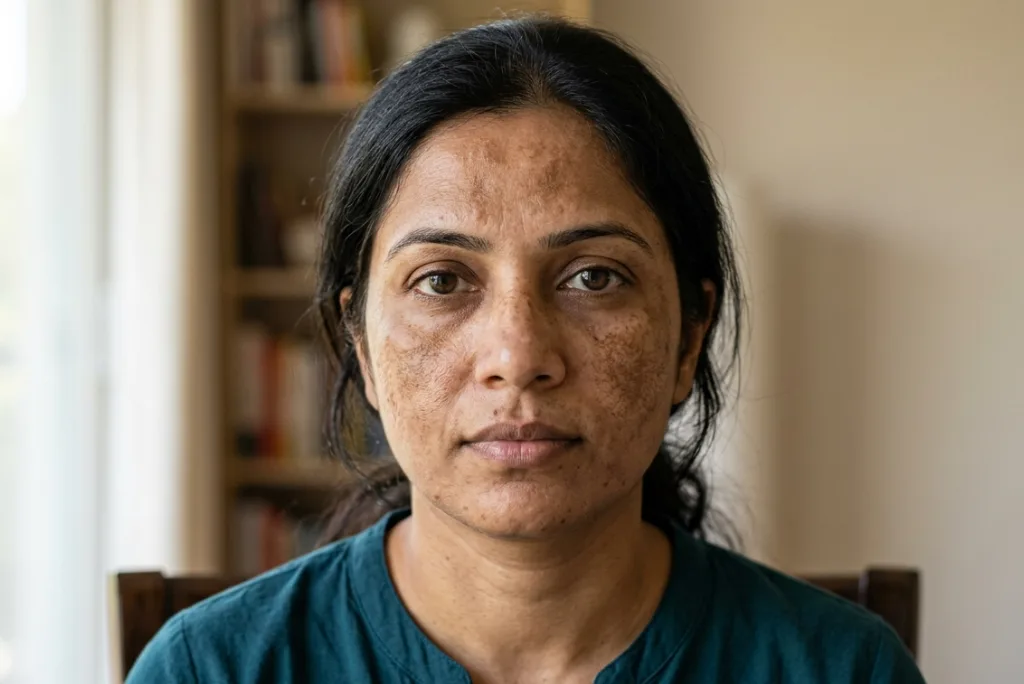
You have tried every cream on the shelf. You have stayed out of the sun, changed your skincare routine multiple times, and yet those stubborn dark patches on your cheeks, forehead, or upper lip refuse to budge. If this sounds familiar, you are likely dealing with melasma, and you are far from alone.
Melasma is one of the most common skin concerns among women in Pakistan. The combination of intense sun exposure, hormonal changes, and naturally deeper skin tones makes Pakistani women particularly prone to developing it. The good news is that melasma is not permanent. With the right treatment plan, significant improvement is absolutely achievable.
At Le Lotus Clinique, our certified skin specialists treat melasma daily using advanced FDA-approved technology and medically guided combination therapies tailored specifically to Pakistani skin tones. This guide covers everything you need to know, from what causes melasma to which treatments work and how long real results take.
What Is Melasma and Why Is It So Common in Pakistan?
Waxing and threading have been the default hair removal methods for women across Pakistan for generations. They are familiar, widely available, and relatively affordable per session. But when you add up the cost of going every three to four weeks across a year, and factor in the time, the discomfort, and the skin damage that builds over time, the picture looks very different.
For many patients in Islamabad, the decision to switch to laser hair removal comes down to three things. They are tired of the cycle; they want a solution that lasts, and they have finally found a clinic they trust to do it safely. Permanent hair removal in Islamabad is no longer something reserved for a small group of patients. With advanced technology now available across multiple clinics in the city, it has become one of the most requested treatments at Le Lotus Clinique, sought by both women and men across all age groups.
The shift is also being driven by improvements in the technology itself. Painless laser hair removal in Islamabad was not always possible. Earlier laser systems were uncomfortable and not suitable for darker skin tones common across Pakistan. Today, that has changed completely, which we will cover in detail in the safety section below.
What Is Melasma and Why Is It So Common in Pakistan?
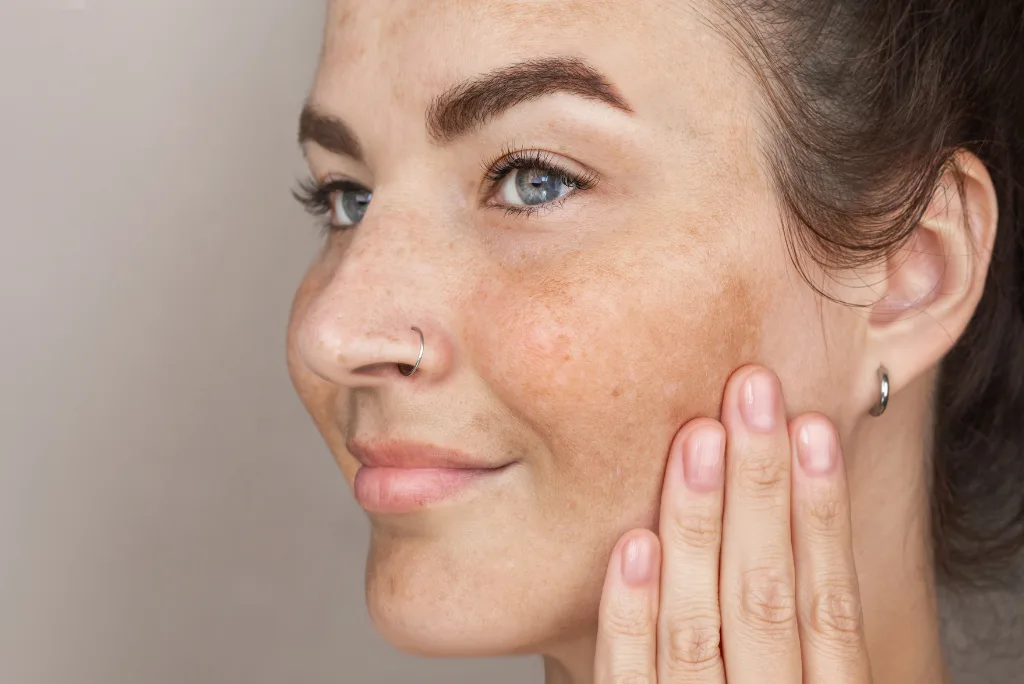
Melasma is a pigmentation disorder that causes brown, gray, or tan patches to appear on the face, most commonly on the cheeks, forehead, nose bridge, and upper lip. It happens when melanocytes, the pigment-producing cells in the skin, become overactive and produce excess melanin in certain areas.
One important myth to address: melasma is not caused by iron deficiency. This is a widespread misconception in Pakistan, and many patients waste months taking iron supplements with zero improvement. Melasma is driven by sun exposure, hormones, and genetics, not nutritional deficiencies.
There are three types of melasma:
Type | Where It Sits | How It Responds to Treatment |
Epidermal | Top skin layer | Responds well |
Dermal | Deep skin layer | Harder to treat |
Mixed | Both layers | Needs combination therapy |
What Actually Causes Melasma in Pakistani Women?
Understanding the root cause of your melasma is the first step toward treating it effectively. Here are the most common triggers:
- Sun ExposureUV rays are the number one trigger for melasma. Pakistan’s intense sun activates melanocytes and worsens existing pigmentation significantly. Even brief daily exposure without SPF protection can undo weeks of treatment progress.
- Hormonal ChangesFluctuating estrogen and progesterone levels directly stimulate melanin production.This is why melasma is frequently called the mask of pregnancy.
- Pregnancy and Birth Control PillsHormonal contraceptives and pregnancy are among the most common melasma triggers in Pakistani women. Many notice patches appearing or darkening during or after pregnancy.
- Genetics and Family HistoryIf your mother or close female relatives have melasma, your likelihood of developing it increases considerably. Genetic predisposition plays a significant role in how severe it becomes.
- Heat and Environmental TriggersBeyond UVrays; heat stimulates melanocytes. Spending time near stoves, in hot kitchens, or in direct outdoor heat without protection can worsen melasma even on cloudy days.
Best Melasma Treatments Available in Pakistan Right Now
There is no single magic solution for melasma. The most effective approach combines multiple treatments targeting different skin layers simultaneously. Here are the best options currently available:
Chemical Peels for Melasma
Medical grade chemical peels for pigmentation use glycolic, salicylic, or TCA acids to exfoliate the top pigmented layers of skin. They work well for surface-level melasma and deliver visible brightening after a course of sessions.
Pico Laser Treatment
Pico laser is currently one of the most effective technologies for melasma treatment in Pakistan. It delivers ultra-short energy pulses that shatter pigment particles without damaging surrounding skin. It works on both epidermal and mixed melasma with zero downtime.
Q-Switch Laser
Q-Switch laser targets deep pigmentation and breaks down excess melanin effectively. It is particularly useful for persistent dermal melasma that does not respond to topical treatments alone.
Topical Depigmenting Creams
Prescription creams containing hydroquinone, tretinoin, kojic acid, azelaic acid, or vitamin C are used alongside in-clinic treatments to maintain and enhance results at home.
Combination Therapy
For stubborn melasma, combining laser sessions with chemical peels and medical-grade homecare delivers the most consistent and long-lasting results.
Treatment | Best For | Sessions Needed | Downtime |
Chemical Peel | Surface melasma | 4 to 6 | 3 to 5 days |
Pico Laser | Mixed melasma | 4 to 8 | Zero |
Q-Switch Laser | Deep pigmentation | 4 to 6 | Minimal |
Topical Creams | Mild melasma | Ongoing | Zero |
Combination Therapy | Stubborn melasma | 6 to 8 | Varies |
How Long Does Melasma Treatment Actually Take in Pakistan?
This is the question every patient asks, and the honest answer is that melasma takes time. It is a chronic condition that responds gradually to consistent treatment rather than disappearing overnight.
Timeframe | What You Can Expect |
After Session 1 to 2 | Slight brightening and more even tone visible |
After Session 3 to 4 | Noticeable reduction in dark patches |
After Session 5 to 6 | Significant improvement across treatment areas |
After Full Course | Even skin tone with proper sun protection |
Maintenance Sessions | Every 3 to 6 months to sustain results |
Most patients at Le Lotus Clinique begin seeing meaningful improvement between their third and fourth sessions. A full course typically spans three to six months depending on melasma depth and skin response.
Melasma Treatment Cost in Pakistan: What to Expect in 2026
Treatment Type | Cost Per Session (PKR) | Sessions Needed |
Chemical Peel | 8,000 to 15,000 | 4 to 6 |
Pico Laser | 15,000 to 30,000 | 4 to 8 |
Q-Switch Laser | 10,000 to 20,000 | 4 to 6 |
Topical Creams | 2,000 to 5,000 | Ongoing |
Combination Therapy | 20,000 to 40,000 | 6 to 8 |
Pricing varies based on clinic expertise, technology quality, and the number of sessions included in your plan. Always confirm what is covered in your quoted package before committing to treatment.
How to Stop Melasma from Coming Back After Treatment
Treating melasma is only half the work. Preventing it from returning requires consistent daily habits:
- Apply SPF 50 broad-spectrum sunscreen every single morning without exception
- Avoid direct sun exposure between 10 AM and 4 PM
- Reapply sunscreen every two hours when outdoors
- Discuss hormonal contraceptives with your doctor if they are triggering melasma
- Use vitamin C and niacinamide in your daily skincare routine
- Schedule maintenance sessions every three to six months
- Wear a wide-brimmed hat or dupatta when in direct sunlight
Consistency with sun protection is the single most important factor in keeping melasma from returning after treatment.
Why Le Lotus Clinique Is Islamabad's Most Trusted Clinic for Melasma Treatment
Melasma treatment requires precision, patience, and a deep understanding of Pakistani skin tones. Not every laser setting or peel depth that works for lighter skin translates safely or effectively to deeper complexions. At Le Lotus Clinique, every treatment plan is built around your specific skin type, melasma depth, and lifestyle triggers.
Here are why thousands of patients across Islamabad trust Le Lotus for pigmentation treatment:
- Brand of the Year 2024 to 2025 and Presidential Award 2024 winner
- FDA-approved Pico and Q-Switch laser technology for safe, precise results
- Certified dermatologists and skin specialists on the medical board
- Combination therapy approach targeting all melasma layers
- Personalized homecare protocol provided after every session
- Available at F8-1 Islamabad and DHA Phase 2 Islamabad
- 4.9 Google rating from thousands of verified patients
Explore our complete range of facial treatments at Le Lotus including our advanced whitening treatment designed specifically for pigmentation and uneven skin tone.
Book Your Melasma Consultation at Le Lotus Clinique Today
Melasma is manageable and with the right clinic on your side, clearer skin is closer than you think. Le Lotus Clinique’s certified specialists will assess your melasma type, recommend the most effective treatment combination, and guide you every step of the way toward results that last.
Book a free consultation Today, take the first step toward the clear, even skin you deserve.
Frequently Asked Questions
Can melasma be permanently cured in Pakistan?
Which laser treatment is best for melasma in Pakistan?
Is melasma treatment safe during pregnancy?
How much does melasma treatment cost in Islamabad?
Someone comes in having read that microneedling fixes acne scars. They’ve seen the before-and-afters. Then they get quoted two very different prices for two things
A woman came in last month with a shopping bag. Inside it were seven bottles: two biotin brands, a multivitamin, collagen powder, an imported hair
There is a bottle of sunscreen in your bathroom drawer right now. You bought it after someone told you to. You wore it for about